


ScienceBits

Lycopene — Antioxidant Protection for Longevity and Cellular Defense
Aging and loss of vitality are closely linked to oxidative damage—the gradual harm caused by free radicals to cells, proteins, and DNA. One of the most powerful natural defenses against this process is lycopene, a carotenoid antioxidant best known from tomatoes.
Lycopene is especially effective at:
Neutralizing free radicals
Protecting cell membranes from oxidative damage
Supporting cardiovascular and cellular health
Reducing oxidative stress linked to aging
From a performance and vitality perspective, oxidative stress affects:
Circulation efficiency
Cellular energy production
Recovery speed
Skin and tissue aging
For men, healthy circulation and cellular protection are key foundations of physical performance and long-term vitality. By supporting antioxidant defense systems, lycopene helps maintain the internal environment needed for sustained performance and endurance.
For women, oxidative stress accelerates visible aging and reduces cellular repair efficiency. Lycopene’s protective role helps support skin health, tissue integrity, and overall youthful function from the inside out.
Rather than acting on a single symptom, lycopene helps protect the entire cellular system from one of the main drivers of aging—oxidative damage—making it a critical component of any advanced longevity and vitality-focused formula.
Read more
PQQ — Mitochondrial Biogenesis and Cellular Energy Renewal
If mitochondria are the “power plants” of your cells, then PQQ (Pyrroloquinoline Quinone) is one of the few nutrients scientifically shown to support mitochondrial biogenesis—the process of creating new mitochondria.
Why does this matter?As we age, not only does mitochondrial function decline, but the number and efficiency of mitochondria also decrease. This leads to:
Lower energy levels
Reduced physical endurance
Slower metabolism
Weaker cellular repair capacity
PQQ supports cellular health by:
Encouraging the production of new mitochondria
Supporting existing mitochondrial efficiency
Reducing oxidative stress at the cellular level
Helping maintain optimal energy metabolism
For men, healthy mitochondrial function is closely linked to strength, stamina, and overall physical performance. Better cellular energy production supports endurance and day-to-day vitality.
For women, mitochondrial health influences:
Metabolic rate
Skin and tissue regeneration
Energy levels and fatigue resistance
Overall aging speed at the cellular level
By supporting both the quantity and quality of mitochondria, PQQ helps the body maintain a more youthful energy profile—making it a powerful ingredient for anyone seeking long-term vitality and anti-aging support.
Read more
Resveratrol — Supporting Longevity, Cellular Health, and Vitality
Aging is not just about wrinkles or gray hair—it begins deep inside the cells. One of the key drivers of aging is oxidative stress and declining cellular repair capacity. Over time, this leads to reduced energy production, slower recovery, and decreased overall vitality in both men and women.
Resveratrol is a powerful polyphenol found naturally in grapes and berries, widely studied for its role in healthy aging and cellular protection. From a scientific perspective, resveratrol is known for activating pathways related to cellular stress resistance and longevity, particularly those involved in mitochondrial function and DNA protection.
At the cellular level, resveratrol helps:
Support antioxidant defenses against free radicals
Protect cells from oxidative damage
Support healthy mitochondrial activity
Promote efficient cellular energy metabolism
For men, cellular energy and circulation are closely tied to physical performance, stamina, and overall vitality. By helping protect mitochondria and reduce oxidative stress, resveratrol supports the biological foundation of sustained energy and performance as the body ages.
For women, oxidative stress accelerates visible and internal aging, affecting skin elasticity, metabolic efficiency, and recovery. Resveratrol’s antioxidant and cellular-support properties help maintain a more youthful cellular environment, supporting long-term skin health, energy levels, and overall resilience.
Rather than acting as a stimulant, resveratrol works at the root of aging—cellular health and stress resistance— making it a foundational ingredient for anyone looking to age better, stay energetic, and protect long-term vitality.
Read more
NAD — The Master Molecule of Energy, Repair, and Youthful Function
Every cell in your body depends on NAD (Nicotinamide Adenine Dinucleotide) to produce energy and carry out repair processes. NAD is essential for:
Cellular energy production (ATP)
DNA repair
Mitochondrial function
Healthy metabolic regulation
The challenge is that NAD levels naturally decline with age. This decline is strongly linked to fatigue, slower metabolism, reduced physical performance, slower recovery, and visible signs of aging.
From a biological standpoint, when NAD levels drop:
Mitochondria produce less energy
Cells repair themselves more slowly
The body becomes more vulnerable to oxidative stress
Physical and mental vitality gradually decline
Supplementing with NAD-supporting ingredients helps restore the cellular environment needed for energy and repair.
For men, higher cellular energy availability supports:
Physical stamina and endurance
Faster recovery
Overall performance and vitality
For women, NAD plays a critical role in:
Maintaining metabolic efficiency
Supporting skin and tissue renewal
Preserving youthful energy and resilience
Instead of masking fatigue, NAD works at the cellular level, helping the body produce energy more efficiently and maintain repair mechanisms that are essential for healthy aging and long-term vitality.
Read more
Cinnamon Extract — Blood Sugar Control, Insulin Sensitivity, and Weight Management
Cinnamon extract has gained significant scientific attention for its role in glucose metabolism and insulin sensitivity. Blood sugar regulation is one of the most critical factors in weight management and hormonal balance, especially for women dealing with insulin resistance or metabolic slowdown.
When blood sugar spikes frequently, the body releases more insulin. Over time, cells may become less responsive to insulin, a condition known as insulin resistance. This not only increases the risk of fat storage—especially around the abdomen—but also disrupts energy levels and hormonal signaling.
Cinnamon extract helps support metabolic health by:
Improving insulin sensitivity at the cellular level
Supporting more stable blood glucose levels
Reducing post-meal blood sugar spikes
Supporting healthier carbohydrate metabolism
Mechanistically, compounds in cinnamon appear to enhance the activity of insulin receptors and improve glucose uptake into cells. This means more glucose is used for energy and less is stored as fat.
By supporting better blood sugar control, cinnamon extract indirectly helps:
Reduce cravings caused by glucose fluctuations
Support steadier energy levels
Create a metabolic environment more favorable for fat loss
For women facing weight gain related to hormonal changes or insulin resistance, cinnamon extract is a scientifically grounded ingredient that targets one of the core drivers of metabolic imbalance.
Read more
Tea Polyphenols — Antioxidant Defense, Insulin Resistance, and Fat Metabolism
Tea polyphenols, especially those found in green tea, are among the most extensively studied natural antioxidants in nutritional science. Their primary role is to neutralize free radicals and reduce oxidative stress, a key driver of aging, inflammation, and metabolic dysfunction.
Oxidative stress plays a major role in the development of:
Insulin resistance
Chronic low-grade inflammation
Slower fat oxidation
Hormonal signaling disruptions
From a metabolic standpoint, when oxidative stress is high, insulin receptors do not function as efficiently. This makes it harder for glucose to enter the cells, leading to higher blood sugar levels and increased fat storage.
Tea polyphenols help by:
Supporting healthier insulin signaling
Reducing inflammation linked to metabolic imbalance
Enhancing fat oxidation and energy utilization
Protecting cells involved in hormone and glucose regulation
Scientific studies have also linked tea polyphenols to improvements in metabolic rate and body composition, especially when combined with a balanced lifestyle. By supporting both antioxidant defense and metabolic efficiency, tea polyphenols contribute to a more favorable internal environment for weight management and blood sugar control.
In the context of hormonal changes, this antioxidant protection becomes even more important, as shifting hormone levels can increase oxidative stress and make metabolic regulation more challenging.
Read more
CoQ10 — Cellular Energy, Insulin Sensitivity, and Metabolic Health
Every process in the body that involves movement, repair, or metabolism requires energy—and that energy is produced inside the mitochondria of your cells. Coenzyme Q10 (CoQ10) is a key compound in this energy production system, playing a central role in the generation of ATP, the body’s main energy molecule.
As we age, natural levels of CoQ10 decline. This reduction in cellular energy production is associated with:
Lower metabolic efficiency
Increased fatigue
Reduced insulin sensitivity
Slower fat metabolism
From a scientific standpoint, insulin resistance is closely linked to mitochondrial dysfunction. When cells do not produce energy efficiently, they also become less responsive to insulin, making it harder for glucose to enter the cells and be used as fuel. Instead, excess glucose is more likely to be stored as fat.
CoQ10 supports mitochondrial function by:
Enhancing cellular energy production
Reducing oxidative stress inside cells
Supporting healthy insulin signaling pathways
By improving how efficiently cells produce and use energy, CoQ10 helps support a healthier metabolic environment, which is essential for weight management and blood sugar control. It also functions as a powerful antioxidant, protecting cells from oxidative damage that contributes to chronic inflammation and metabolic slowdown.
For women experiencing hormonal changes, stress, or age-related metabolic shifts, supporting cellular energy is a foundational step toward better insulin sensitivity, improved energy levels, and more efficient fat utilization.
Read more
Soy Isoflavones — A Natural Ally for Hormonal Balance in Women
Hormonal balance plays a critical role in a woman’s metabolism, body composition, and overall well-being. As women enter their 30s and 40s, natural fluctuations in estrogen levels can affect insulin sensitivity, fat distribution, mood, and energy levels. This is one of the reasons many women notice weight gain, especially around the abdomen, along with changes in skin, sleep, and emotional stability.
Soy isoflavones are plant-derived compounds known as phytoestrogens. Structurally, they are similar to human estrogen, which allows them to interact with estrogen receptors in the body. Unlike synthetic hormones, soy isoflavones do not force hormone levels up or down. Instead, they act as modulators, helping the body respond more smoothly to hormonal fluctuations.
From a metabolic perspective, estrogen plays an important role in:
Regulating fat storage and distribution
Supporting insulin sensitivity
Influencing appetite and energy balance
When estrogen levels decline or become unstable, the body tends to store fat more easily and may become less responsive to insulin. Research suggests that soy isoflavones can help support hormonal balance, which in turn may contribute to healthier metabolic signaling and better control of body weight over time.
In addition, soy isoflavones have antioxidant properties, helping reduce oxidative stress—a factor that is closely linked to insulin resistance and chronic inflammation. By supporting both hormonal stability and cellular health, soy isoflavones offer a science-based, gentle approach to managing age-related metabolic changes.
Rather than acting as a quick fix, soy isoflavones work with the body’s natural regulatory systems, making them especially suitable for women dealing with perimenopause, menopause, PCOS-related hormone imbalances, or stubborn weight gain linked to hormonal shifts.
Read more
Understand the differences between vitamin B6 and vitamin B12
If you've ever looked at the back of a cereal box or multivitamin pack, you've seen all the vitamin letters - A, C, E, K, and so on. While every other vitamin appears only once, vitamin B shows up several times. This is because the B vitamin group is actually comprised of eight distinct water-soluble vitamins - B1, B2, B3, B5, B6, B7, B9, and B12.
Though classified together as the "B-complex," these vitamins each have unique functions and roles within the body. Today, we'll dive deeper into two of the most well-known B vitamins - B6 and B12 - to understand the key differences between them.
Vitamin B6 vs. Vitamin B12
Both vitamin B6 and B12 play important parts in red blood cell production and supporting the immune system. Specifically, they help maintain healthy immune function by facilitating the body's response against foreign antigens.
However, the two vitamins also have distinct responsibilities:
Vitamin B6 (Pyridoxine)
Involved in over 100 enzymatic reactions, especially those related to protein metabolism
Important for regulating hormones, red blood cell formation, and nervous system health
Found in a wide variety of animal and plant foods like poultry, fish, potatoes, and bananas
Recommended daily intake for adults is 1.3-1.7 mg
Vitamin B12 (Cobalamin)
Essential for red blood cell formation and DNA synthesis
Plays a critical role in neurological function and energy metabolism
Primarily obtained from animal sources like meat, fish, eggs, and dairy
Recommended daily intake for adults is 2.4 mcg
Deficiency is more common, especially in vegetarians/vegans and older adults
The key difference is that while B6 has a broad involvement in metabolic processes, B12 is more specifically vital for red blood cell production and proper nervous system functioning. Deficiencies in each can lead to different health issues, such as anemia, nerve damage, and cognitive impairment.
Read more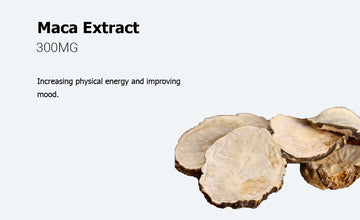
Maca: The Powerful Andean Superfood
Maca: The Powerful Andean Superfood
Maca (Lepidium meyenii) is a root vegetable indigenous to the high Andes mountains of Peru. This nutrient-dense plant has gained increasing attention for its potential health-promoting properties.
Nutritional Powerhouse
Maca is renowned for its impressive nutritional profile. It is an excellent source of:
Protein - Maca contains high-quality, complete proteins with all essential amino acids.
Minerals - It is rich in calcium, iron, magnesium, zinc, and other key minerals.
Fiber - Maca is high in beneficial dietary fiber.
Unique Plant Compounds - Maca contains bioactive substances like glucosinolates, macamides, and macaenes.
Potential Health Benefits
Research suggests maca may offer the following health advantages:
Improved Sexual Function and Libido
Studies indicate maca may help enhance sexual function and desire, likely due to its phytochemical constituents.
Relief of Menopausal Symptoms
There is evidence that maca may help alleviate hot flashes, mood swings, and other menopausal symptoms in women.
Enhanced Athletic Performance
Some studies have found maca may improve exercise capacity and endurance, potentially aiding athletic pursuits.
Immune System Support
Maca is rich in antioxidants, which may contribute to strengthening the body's immune defenses.
Mood and Cognitive Enhancement
Emerging research suggests maca may have positive effects on reducing anxiety, depression, and improving certain cognitive functions.
Who Can Benefit from Maca?
Maca may be particularly beneficial for:
Those looking to boost sexual function and libido
Menopausal women seeking relief of symptoms
Athletes and physically active individuals
People with weakened immune systems
Those experiencing mood or cognitive difficulties
However, maca may not be suitable for everyone, such as those with thyroid disorders. Pregnant or breastfeeding women should also consult their healthcare provider before consuming maca. As with any supplement, moderation and caution is advised.
In conclusion, maca is a nutrient-dense Andean superfood with an array of potential health applications. While more research is still needed, incorporating maca into a balanced diet may provide various benefits for certain populations.
Read more
Ashwagandha - Uses, Side Effects, And More
Overview
Ashwagandha: A Versatile Herbal Remedy
Ashwagandha is an evergreen shrub that grows primarily in Asia and parts of Africa. It has a long history of use in traditional medicine, particularly as an "adaptogen."
Ashwagandha contains chemicals that may help calm the brain, reduce inflammation, lower blood pressure, and modulate the immune system. Due to these properties, it has been traditionally used to help the body cope with various stress-related conditions such as insomnia, aging, and anxiety.
The concept of "adaptogens" suggests that these herbs can help the body resist both physical and mental stress. However, there is currently limited scientific evidence to support the use of ashwagandha as an effective adaptogen or to treat the many conditions it is traditionally used for. Similarly, there is no good evidence to support using ashwagandha for COVID-19.
It's important to note that ashwagandha should not be confused with another plant known as "winter cherry" (Physalis alkekengi). Ashwagandha also differs from American ginseng, Panax ginseng, and eleuthero.
While ashwagandha does possess some potential health benefits, most of its uses require further scientific investigation to be conclusively proven. A cautious and open-minded approach is advisable when it comes to the use and efficacy of this traditional herbal remedy.
Uses & Effectiveness ?
Potential Benefits of Ashwagandha
While the evidence is still limited, there are a few areas where ashwagandha shows potential benefits:
Generalized Anxiety Disorder (GAD): Taking ashwagandha supplements appears to help improve symptoms of persistent, generalized anxiety in some people. The herb may have a calming effect on the brain.
Insomnia: Ashwagandha supplementation seems to enhance overall sleep quality and duration in certain individuals struggling with insomnia.
Stress Management: There is some evidence that ashwagandha can help reduce feelings of stress and potentially even stress-related weight gain in some users.
Other Proposed Uses: Ashwagandha is also being explored for potential benefits in areas like immune function, cognitive performance, and physical endurance, but the evidence is currently limited or inconclusive.
It's important to note that while these potential benefits are promising, more high-quality research is still needed to fully understand ashwagandha's efficacy and safety, especially for long-term use. As with any supplement, it's best to consult with a healthcare provider before adding ashwagandha to your routine. With further study, this traditional herb may prove to be a useful tool for managing certain stress-related conditions.
A type of persistent anxiety marked by exaggerated worry and tension (generalized anxiety disorder or GAD). Taking ashwagandha by mouth seems to improve anxiety in people with persistent anxiety.
Insomnia. Taking ashwagandha by mouth seems to improve overall sleep and sleep quality in some people.
Stress. Taking ashwagandha by mouth seems to help reduce stress in some people. It might also help reduce stress-related weight gain.
There is interest in using ashwagandha for a number of other purposes, but there isn't enough reliable information to say whether it might be helpful.
Side Effects
Safety Considerations for Ashwagandha
When taken orally:
Ashwagandha is possibly safe for short-term use, up to 3 months.
The long-term safety of ashwagandha is not well established.
Large doses of ashwagandha may cause stomach upset, diarrhea, and vomiting.
In rare cases, ashwagandha has been associated with liver problems, including severe liver failure requiring transplantation.
When applied topically:
Lotions containing ashwagandha are possibly safe for use up to 2 months.
Special Precautions and Warnings
Pregnancy: It is likely unsafe to use ashwagandha when pregnant. There is some evidence that ashwagandha might cause miscarriages.
Breast-feeding: There isn't enough reliable information to know if ashwagandha is safe to use when breast-feeding. Stay on the safe side and avoid use.
"Auto-immune diseases" such as multiple sclerosis (MS), lupus (systemic lupus erythematosus, SLE), rheumatoid arthritis (RA), or other conditions: Ashwagandha might cause the immune system to become more active, and this could increase the symptoms of auto-immune diseases. If you have one of these conditions, it's best to avoid using ashwagandha.
Surgery: Ashwagandha may slow down the central nervous system. Healthcare providers worry that anesthesia and other medications during and after surgery might increase this effect. Stop taking ashwagandha at least 2 weeks before a scheduled surgery.
Thyroid disorders: Ashwagandha might increase thyroid hormone levels. Ashwagandha should be used cautiously or avoided if you have a thyroid condition or take thyroid hormone medications.
Read more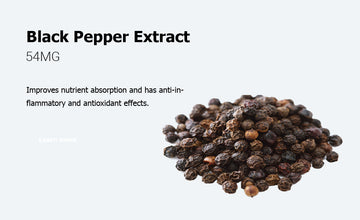
Health Benefits of Black Pepper
Health Benefits of Black Pepper
Black pepper is a flowering vine in the family Piperaceae, cultivated for its fruit, which is usually dried and used as a spice and seasoning. It is native to South India and is widely cultivated there and in other tropical regions.
The fruit is picked when still unripe and green, and is traditionally dried in the sun, which converts the fruit to a shriveled, black color. This is the source of the common black pepper used as a spice.
The distinctive aroma and flavor of black pepper is due to the presence of the chemical compound piperine.
Piperine is responsible for the pungent, slightly spicy taste of black pepper.
It is also thought to have various health benefits, including:
Antioxidant properties - Piperine has been shown to have antioxidant effects, which may help protect against cellular damage.
Improved nutrient absorption - Piperine can enhance the bioavailability of certain nutrients, such as curcumin from turmeric.
Anti-inflammatory effects - Piperine has demonstrated anti-inflammatory properties in some studies.
Potential benefits for weight loss - Some research suggests piperine may help boost metabolism and fat burning.
Black pepper is commonly used as a seasoning, added to many savory dishes, sauces, and condiments. It is one of the most widely used spices in the world. When freshly ground, it releases the most flavor and aroma.
In addition to culinary uses, black pepper also has a long history of use in traditional medicine, particularly in Ayurvedic and Chinese medicine practices. However, more research is still needed to confirm many of its purported health benefits.
The Role of Piperine in Dietary Supplements
Piperine, the alkaloid that gives black pepper its characteristic spicy flavor, has gained attention in the health and wellness industry for its potential benefits when used as a supplement.
Improving Nutrient Absorption
One of the primary uses of piperine in supplements is to enhance the bioavailability of other nutrients. Piperine has been shown to increase the absorption of various compounds, including:
Curcumin (from turmeric) - Piperine can increase curcumin's bioavailability by up to 2000%.
Resveratrol - Piperine may improve the absorption of this antioxidant compound.
Vitamin B6 - Piperine can increase the body's uptake of this essential vitamin.
CoQ10 - Piperine enhances the availability of this important nutrient for energy production.
Anti-Inflammatory and Antioxidant Properties
In addition to improving nutrient delivery, piperine also exhibits anti-inflammatory and antioxidant effects in the body, which may provide other health benefits:
Reducing inflammation - Piperine has been shown to inhibit inflammatory pathways.
Boosting antioxidant defenses - Piperine can increase the activity of antioxidant enzymes.
Weight Management Applications
Some research suggests piperine may assist with weight management in a few ways:
Increasing thermogenesis - Piperine may help stimulate fat burning and boost metabolism.
Suppressing fat cell formation - Piperine may inhibit the development of new fat cells.
Improving glucose and lipid profiles - Piperine has been linked to better blood sugar and cholesterol levels.
Supplement Formulations
Piperine is commonly found in the following types of health supplements:
Curcumin/Turmeric supplements
Weight loss/metabolism boosters
Joint health formulas
General multivitamin/mineral supplements
When taken as directed, piperine from black pepper is generally considered safe, but high doses should be avoided. As with any supplement, it's important to consult a healthcare provider before use.
Read more


