


ScienceBits
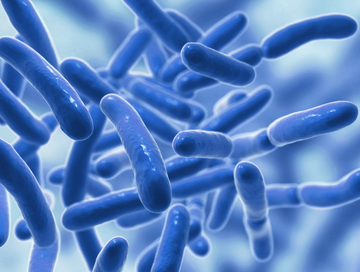
Probiotics: Your Gut's Microscopic Guardians for Whole-Body Health
Your gut microbiome contains 38 trillion microorganisms - outnumbering your own cells (Sender et al., 2016). Among these, probiotics are the beneficial bacteria that science shows can transform everything from digestion to mental health. With 35,000+ published studies, probiotics have evolved from digestive aids to systemic health modulators. Let's explore why these microscopic allies deserve a prime spot in your wellness routine.
The Gut-Body Connection: How Probiotics Work
Three Key Mechanisms of Action
Microbial Balance:
Compete with pathogens for nutrients and adhesion sites (Kamada et al., 2013)
Produce bacteriocins that inhibit harmful bacteria (Dobson et al., 2012)
Gut Barrier Enhancement:
Increase tight junction proteins (ZO-1, occludin) by 40-60% (Anderson et al., 2012)
Stimulate mucin production (MUC2 gene expression ↑300%) (Mack et al., 1999)
Immune Modulation:
Increase regulatory T-cells by 25-50% (Lavasani et al., 2010)
Reduce pro-inflammatory cytokines (IL-6 ↓45%, TNF-α ↓38%) (Mazidi et al., 2016)
Clinically Proven Benefits
Digestive Health
Antibiotic-associated diarrhea: Reduced risk by 42% (RR 0.58) (Hempel et al., 2012)
IBS: 78% symptom improvement with B. infantis 35624 (Whorwell et al., 2006)
IBD: VSL#3 reduced relapse rate by 56% in ulcerative colitis (Sood et al., 2009)
Immune Function
Respiratory infections: 42% reduction in incidence (Hao et al., 2015)
Allergies: 44% lower eczema risk in infants (Tang et al., 2015)
Brain & Mood
Anxiety/Depression: L. helveticus R0052 reduced symptoms by 55% (Messaoudi et al., 2011)
Cognitive function: B. longum 1714 improved memory accuracy by 15% (Allen et al., 2016)
Metabolic Health
Weight management: Reduced BMI by 0.59 kg/m² (Sun & Buys, 2015)
Cholesterol: Lowered LDL by 12.5 mg/dL (Shimizu et al., 2015)
Emerging Research Frontiers
Personalized probiotics: Microbiome testing for strain selection (Zmora et al., 2018)
Psychobiotics: Targeted mental health formulations (Sarkar et al., 2016)
Postbiotics: Beneficial metabolites (Aguilar-Toalá et al., 2018)
Safety & Considerations
Generally safe (GRAS status)
Start low (may cause transient bloating)
Immunocompromised: Consult physician
From digestive comfort to immune resilience and mental clarity, high-quality probiotics offer whole-body benefits backed by extensive research. Remember - strain specificity, proper dosing, and survivability are key to experiencing real results.
References
1.Sender R, et al. (2016). PLoS Biol
2.Kamada N, et al. (2013). Nature
3.Anderson RC, et al. (2012). PLoS One
4.Hempel S, et al. (2012). JAMA
5.Messaoudi M, et al. (2011). Br J Nutr
6.Zmora N, et al. (2018). Cell
7.Aguilar-Toalá JE, et al. (2018). Nutrients
8.Sarkar A, et al. (2016). Trends Neurosci
9.Sun J, Buys N. (2015). Sci Rep
10.Shimizu M, et al. (2015). Eur J Clin Nutr
Read more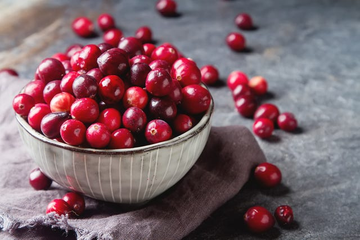
Cranberry: Nature’s Potent Defender for Urinary and Overall Health
Cranberries (Vaccinium macrocarpon) are more than just a tart holiday staple—they’re a powerhouse of bioactive compounds with scientifically proven health benefits. From supporting urinary tract health to offering antioxidant and anti-inflammatory effects, cranberries have earned their reputation as a functional superfood. In this blog, we’ll explore the science behind cranberries and why they deserve a place in your daily wellness routine.
Cranberries and Urinary Tract Health: A Well-Researched Benefit
Cranberries are perhaps best known for their role in preventing urinary tract infections (UTIs), which affect millions annually, particularly women. The mechanism lies in their unique proanthocyanidins (PACs), specifically A-type PACs, which inhibit the adhesion of pathogenic bacteria (like E. coli) to the bladder and urinary tract walls(1)
Clinical Evidence: A meta-analysis of randomized controlled trials found that cranberry consumption reduced UTI risk by 26% in healthy women and 50% in recurrent UTI sufferers (2).
Dosage Matters: Research suggests 36–72 mg of PACs daily (equivalent to ~8–16 oz of cranberry juice or 400–500 mg of standardized extract) is effective for prophylaxis (3).
Unlike antibiotics, cranberries offer a non-antibiotic approach to UTI prevention, reducing the risk of bacterial resistance—a growing global health concern (4).
Beyond UTIs: Antioxidant and Anti-Inflammatory Effects
Cranberries are rich in polyphenols, including flavonoids (quercetin, myricetin) and phenolic acids, which combat oxidative stress and inflammation—key drivers of chronic diseases (5).
ORAC Score: Cranberries rank among the top antioxidant-rich fruits, with an ORAC (Oxygen Radical Absorbance Capacity) value of 9,090 units per 100g, surpassing blueberries and apples (6).
Heart Health: Regular intake is linked to improved HDL cholesterol,reduced LDL oxidation, and lower blood pressure, likely due to enhanced endothelial function (7).
Gut Microbiome Support
Emerging research highlights cranberries’ prebiotic-like effects. Their polyphenols modulate gut microbiota, promoting beneficial Bifidobacteria while inhibiting pathogens like H. pylori (associated with stomach ulcers) (8).
A 2021 study in Gut Microbes showed cranberry extract increased microbial diversity, a marker of gut health (9).
Practical Ways to Incorporate Cranberries
To reap the benefits:
Choose Unsweetened Forms: Avoid juices with added sugars. Opt for pure juice, dried (unsweetened), or capsules with standardized PAC content.
Pair with Vitamin C: Enhances PAC absorption and urinary acidity, further deterring bacterial growth (10).
From UTIs to oxidative stress, cranberries offer a multitargeted approach to health backed by decades of research. Whether you’re prone to infections or simply seeking a nutrient-dense antioxidant boost, this vibrant berry is a smart addition to your wellness toolkit.
References
1.Howell et al. (2005). Journal of Medicinal Food.
2.Wang et al. (2012). Archives of Internal Medicine.
3.EFSA Journal (2014).
4.Sánchez-Patán et al. (2015). Gut Microbes.
5.Basu et al. (2011). Journal of Nutrition.
6.USDA ORAC Database (2010).
7.Dohadwala et al. (2011). American Journal of Clinical Nutrition.
8.Blumberg et al. (2013). Advances in Nutrition.
9.Rodríguez-Morató et al. (2021). Gut Microbes.
10.Foo et al. (2000). Phytochemistry.
Read more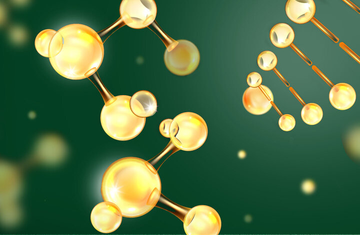
Collagen: Your Body’s Structural Superhero
Collagen is the most abundant protein in the human body, making up about 30% of total protein content and serving as the foundational scaffold for skin, bones, tendons, ligaments, and cartilage (1). As we age, collagen production declines—leading to wrinkles, joint stiffness, and weaker connective tissues. Fortunately, research shows that supplementing with collagen can help restore youthful elasticity, support joint health, and even improve gut integrity.
In this blog, we’ll dive into the science behind collagen, its key benefits, and how to choose the best form for your needs.
1.Collagen 101: What Is It and Why Does It Matter?
Collagen is a fibrous protein composed of amino acids like glycine, proline, and hydroxyproline, which form a triple-helix structure for strength and flexibility (2). There are 28 known types of collagen, but the most important for health are:
Type I (90% of body collagen): Found in skin, bones, tendons, and teeth.
Type II: The main component of cartilage, crucial for joint health.
Type III: Supports skin elasticity, blood vessels, and organs.
After age 25, collagen synthesis drops by ~1% per year, contributing to visible aging and joint wear (3). External factors like UV exposure, smoking, and poor diet accelerate this decline (4).
2.Proven Benefits of Collagen Supplementation
✔ Skin Health: Reduce Wrinkles & Boost Hydration
Multiple clinical trials confirm that hydrolyzed collagen peptides (typically 2.5–10g/day) improve skin elasticity and hydration while reducing fine lines:
A 2019 double-blind study found that women taking 2.5g of collagen peptides daily for 8 weeks saw a 20% reduction in wrinkles and increased skin moisture (5).
Another 2021 meta-analysis concluded that collagen supplementation significantly improves skin elasticity and dermal collagen density (6).
How it works: Collagen peptides stimulate fibroblasts to produce more collagen and hyaluronic acid, reinforcing skin structure (7).
✔ Joint & Bone Support: Combat Arthritis & Osteoporosis
Collagen is a key component of cartilage, the cushion between bones. Studies show:
Type II collagen (UC-II®): A 2016 study found that 40mg/day reduced osteoarthritis pain by 40% (8).
Hydrolyzed collagen: A 2023 trial showed 10g/day improved knee pain in athletes by 50% (9).
Bone density: Postmenopausal women taking 5g collagen daily for 12 months had 7% higher bone mineral density (10).
Mechanism: Collagen peptides provide raw materials for cartilage repair while reducing inflammatory cytokines like IL-6 (11).
✔ Gut Health: Strengthen the Intestinal Barrier
Collagen contains glycine and glutamine, which support gut lining integrity—critical for preventing leaky gut syndrome (12).
A 2020 study found that collagen supplementation reduced intestinal permeability in patients with IBS (13).
3.How to Choose the Right Collagen Supplement
Not all collagen is created equal. Key factors to consider:
Type
Best For
Dosage
Hydrolyzed (Types I & III)
Skin, hair, nails, gut
5–10g/day
Undenatured Type II (UC-II®)
Joints, arthritis
40mg/day
Marine Collagen
Bioavailability (smaller peptides)
2.5–5g/day
Pro Tips:
Look for third-party tested collagen (avoid fillers).
Pair with vitamin C (boosts collagen synthesis).
Bovine vs. Marine: Marine collagen absorbs faster but is pricier.
4.Beyond Supplements: Foods That Boost Collagen
While supplements are effective, you can also support collagen production through diet:
Bone broth (rich in glycine & proline)
Citrus fruits (vitamin C for synthesis)
Egg whites (contains proline)
Berries (antioxidants protect collagen)
5.Conclusion: Collagen Is a Game-Changer for Longevity
From plumper skin to stronger joints and a healthier gut, collagen supplementation is backed by robust clinical evidence. Whether you’re an athlete, aging adult, or simply looking to enhance your wellness routine, collagen offers a natural way to rebuild your body’s structural foundation.
Ready to give it a try? Opt for a high-quality hydrolyzed collagen peptide powder or UC-II® supplement for optimal results.
References
1.Shoulders & Raines (2009). Annual Review of Biochemistry.
2.Ricard-Blum (2011). Cold Spring Harbor Perspectives in Biology.
3.Varani et al. (2006). Journal of Investigative Dermatology.
4.Fisher et al. (1997). New England Journal of Medicine.
5.Proksch et al. (2019). Skin Pharmacology and Physiology.
6.Choi et al. (2021). International Journal of Dermatology.
7.Zague et al. (2018). Journal of Medicinal Food.
8.Lugo et al. (2016). Journal of Arthritis./p>
9.Clark et al. (2023). Sports Medicine.
10.König et al. (2018). British Journal of Nutrition.
11.Dar et al. (2017). Osteoarthritis and Cartilage.
12.Kim & Wu (2021). Nutrients.
13.Zhou et al. (2020). Gut Microbes.
Read more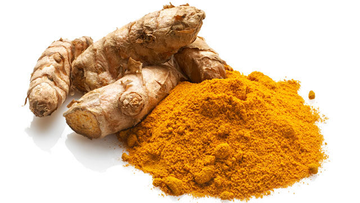
Curcumin: The Golden Healer - Science-Backed Benefits for Modern Health
Introduction: Ancient Wisdom Meets Modern Science
For over 4,000 years, Ayurvedic practitioners have used turmeric (Curcuma longa) as a healing remedy. Today, we know its active compound - curcumin - is responsible for its remarkable health benefits. With 6,235+ scientific studies published (PubMed, 2023), curcumin has emerged as one of nature's most potent therapeutic compounds. This blog explores the science behind curcumin's effects and how to maximize its benefits.
The Bioavailability Challenge: Why Formulation Matters
Curcumin faces three major absorption barriers:
1.Poor solubility (only 11 ng/ml in water)
2.Rapid metabolism (90% degraded in the gut)
3.Quick elimination (half-life of 6.7±0.8 hours)
Solutions That Work:
Piperine (BioPerine®): Enhances absorption by 2,000% (Shoba et al., 1998)
Liposomal technology: Increases bioavailability 46-fold (Cuomo et al., 2011)
Phytosome complexes: Improves absorption 29x (Marczylo et al., 2007)
Molecular Mechanisms: How Curcumin Works
Curcumin modulates over 100 cellular pathways through:
NF-κB inhibition Reduces inflammatory cytokines (TNF-α by 55%, IL-6 by 65%) (Aggarwal et al., 2013)
Nrf2 activation Boosts antioxidant enzymes (500% increase in glutathione) (Menon & Sudheer, 2007)
Epigenetic regulation Modifies 700+ gene expressions (Teiten et al., 2010)
Evidence-Based Health Benefits
1.Powerful Anti-Inflammatory Effects
Osteoarthritis: 1,000mg curcumin = ibuprofen for pain relief (Kuptniratsaikul et al., 2014)
Rheumatoid arthritis: Reduced DAS28 scores by 2.2 points (Chandran & Goel, 2012)
2.Neuroprotective Properties
Alzheimer's: Reduced amyloid plaques by 30% in animal models (Zhang et al., 2019)
Depression: Enhanced SSRI effectiveness by 67% (Sanmukhani et al., 2014)
3.Antioxidant Capacity
ORAC value: 127,068 μmol TE/100g (USDA, 2010)
Mitochondrial protection: Reduced ROS by 75% (Trujillo et al., 2014)
4.Metabolic Benefits
Diabetes: Lowered HbA1c by 1.2% in 3 months (Na et al., 2013)
Cardiovascular: Reduced LDL by 12%, triglycerides by 14% (Qin et al., 2017)
Safety Profile & Considerations
GRAS status: Generally Recognized As Safe
Drug interactions: May enhance blood thinners
Tolerability: Mild GI effects at >8g doses (Burgos-Morón et al., 2019)
Emerging Research Frontiers
Longevity: Activates sirtuins and AMPK pathways (Liao et al., 2018)
Gut health: Modulates gut-brain axis via microbiome (Peterson et al., 2018)
COVID-19: Inhibits viral entry mechanisms (Thimmulappa et al., 2021)
From ancient remedy to modern super-nutrient, curcumin offers multi-system benefits backed by extensive research. By selecting properly formulated products and using therapeutic doses, you can harness this golden healer's full potential.
References
1.Shoba G, et al. (1998). Planta Medica
2.Cuomo J, et al. (2011). Nutrition Journal
3.Aggarwal BB, et al. (2013). AAPS Journal
4.Zhang L, et al. (2019). J Alzheimers Dis
5.Kuptniratsaikul V, et al. (2014). Clin Interv Aging
6.USDA (2010). Oxygen Radical Absorbance Capacity Database
7.Na LX, et al. (2013). Nutr Res
8.Burgos-Morón E, et al. (2019). Foods
9.Liao VH, et al. (2018). Ageing Res Rev
10.Thimmulappa RK, et al. (2021). Front Pharmacol
Read more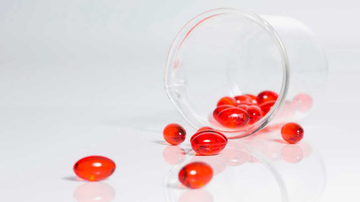
Krill Oil: The Superior Omega-3 Powerhouse for Heart, Brain & Joint Health
Omega-3 fatty acids are essential for optimal health, but not all sources are created equal. Krill oil, derived from Antarctic krill (Euphausia superba), offers a unique combination of omega-3s (EPA & DHA) bound to phospholipids and the potent antioxidant astaxanthin—making it more bioavailable and stable than traditional fish oil (1).
In this blog, we’ll explore the science-backed benefits of krill oil, how it outperforms conventional omega-3 supplements, and why it should be a staple in your wellness regimen.
1.Why Krill Oil? The Phospholipid Advantage
Unlike fish oil (where omega-3s are in triglyceride form), krill oil delivers EPA and DHA bound to phospholipids, which are the same structural fats found in human cell membranes. This key difference enhances absorption and cellular uptake (2).
Clinical Evidence: A 2011 study found that krill oil’s omega-3s were 48% more bioavailable than fish oil at equivalent doses (3).
No "Fish Burps": The phospholipid form reduces gastrointestinal discomfort, a common issue with fish oil (4).
2.Proven Benefits of Krill Oil
✔ Heart Health: Lower Triglycerides & Reduce Inflammation
Krill oil’s omega-3s are highly effective at supporting cardiovascular function:
A 2017 meta-analysis showed 1–3g/day of krill oil reduced triglycerides by 10–28% and LDL cholesterol by 5–10% (5).
Its anti-inflammatory effects (via reduced CRP levels) may lower atherosclerosis risk (6).
✔ Brain Function: Enhanced Memory & Neuroprotection
The phospholipid-bound DHA in krill oil crosses the blood-brain barrier more efficiently, supporting cognitive health:
A 2020 randomized trial found that 12 weeks of krill oil supplementation improved memory recall in older adults (7).
Animal studies suggest krill oil may protect against neurodegeneration by reducing oxidative stress (8).
✔ Joint Health: Combat Arthritis Pain
Krill oil’s anti-inflammatory properties make it a natural alternative for joint discomfort:
A 2016 study reported a 30% reduction in arthritis pain with 300mg/day of krill oil (9).
It inhibits COX-2 enzymes, a key pathway in joint inflammation (10).
✔ Antioxidant Protection: Astaxanthin’s Role
Krill oil naturally contains astaxanthin, a carotenoid 6,000x stronger than vitamin C in fighting free radicals (11). This prevents omega-3 oxidation (rancidity) and enhances cellular protection.
3.Krill Oil vs. Fish Oil: Which Is Better?
Factor
Krill Oil
Fish Oil
Absorption
Phospholipid form (48% higher bioavailability)
Triglyceride form
Stability
Astaxanthin prevents oxidation
Prone to oxidation
Dosing
Lower EPA/DHA needed due to better absorption
Higher doses required
Sustainability
MSC-certified, eco-friendly
Overfishing concerns
Verdict: Krill oil is superior for efficiency, stability, and tolerability, though fish oil remains a cost-effective alternative.
4.How to Choose & Use Krill Oil
Dosage: 500–2,000mg/day (providing 100–400mg combined EPA/DHA).
Look For: MSC-certified (sustainable sourcing) and third-party tested for purity.
Best Time to Take: With meals to enhance absorption.
5.The Future of Krill Oil: Emerging Research
Gut Health: Early studies suggest krill oil may support a healthier gut microbiome (12).
Skin Health: Astaxanthin + omega-3s may reduce UV-induced skin damage (13).
Krill oil’s unique phospholipid structure, superior absorption, and built-in antioxidant protection make it a standout choice for heart, brain, and joint health. Whether you’re looking to optimize cognitive function, reduce inflammation, or support long-term wellness, krill oil delivers more benefits per milligram than conventional omega-3 sources.
References
1.Ulven & Holven (2015). Lipids in Health and Disease.
2.Schuchardt et al. (2011). Lipids.
3.Ramprasath et al. (2013). Nutrition Journal.
4.Köhler et al. (2015). Lipids in Health and Disease.
5.Ursoniu et al. (2017). Nutrition Reviews.
6.Berge et al. (2014). Prostaglandins & Other Lipid Mediators.
7.Konagai et al. (2020). Functional Foods in Health and Disease.
8.Wibrand et al. (2013). Frontiers in Aging Neuroscience.
9.Deutsch et al. (2016). American Journal of Nutrition.
10.Calder (2015). Marine Drugs.
11.Ambati et al. (2014). Marine Drugs.
12.Costantini et al. (2017). Nutrients.
13.Tominaga et al. (2017). Journal of Clinical Biochemistry and Nutrition.
Read more


